Large Wall Hanging Daisy: A Guide to Perfect Paper Decor
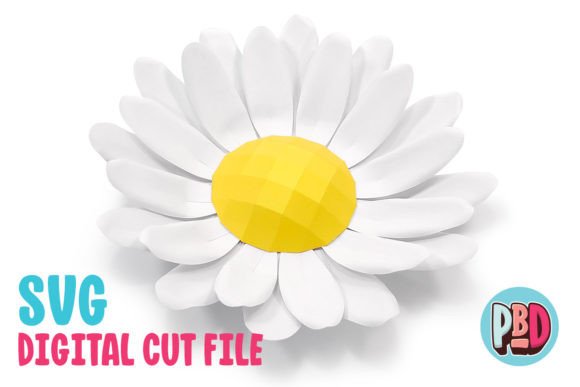
There is a distinct charm to paper crafts that plastic or mass-produced decor simply cannot replicate. The texture, the subtle shadows created by layered cuts, and the handmade aesthetic bring warmth to any space. This is precisely why the Large Wall Hanging Daisy has become a favorite among DIY enthusiasts and interior design lovers alike. Measuring 12 inches wide by 12 inches tall with a 2.5-inch depth, this piece is substantial enough to make a statement without overwhelming a room. However, achieving a professional-looking result requires more than just hitting "cut" on your machine. Many creators rush into the process, overlooking critical details about file compatibility, material selection, and assembly techniques, which often leads to frustration or a finished product that looks flimsy rather than elegant.
Understanding the Design and Its Potential
Before diving into the technicalities, it is important to understand what makes this specific design effective. The Large Wall Hanging Daisy is designed to hang from a simple nail on your wall or door, making it an incredibly versatile decoration. It is perfect for bedroom decor, spring-themed parties, or seasonal events. Its true potential shines when paired with complementary designs, such as the butterfly motifs from Paper Beats Dynamite. When combined, these elements create a cohesive, whimsical ecosystem on your wall.
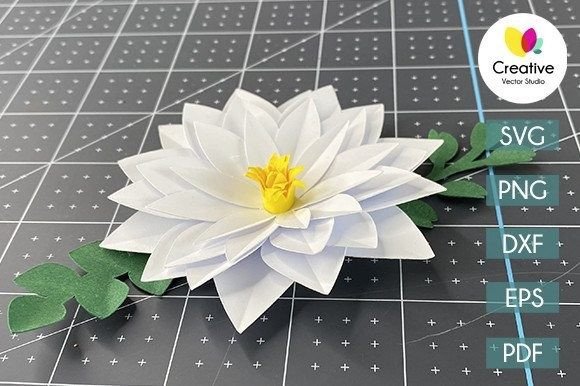
The design relies on dimensionality. With a depth of 2.5 inches, the petals are not flat; they curl and layer to create a three-dimensional effect. This structural integrity is what separates a high-quality paper flower from a basic cutout. However, this complexity means that precision is non-negotiable. If the cuts are not clean or the folds are not crisp, the flower will fail to hold its shape, resulting in a droopy, unappealing decoration.
Common Mistake 1: Ignoring File Format Compatibility
One of the most frequent errors beginners make involves selecting the wrong file format for their cutting software. The download package for the Large Wall Hanging Daisy includes both SVG and DXF files, but they are not interchangeable in terms of performance and ease of use.
SVG files are generally superior for users of Silhouette Designer Edition (and above) or Cricut Design Space. They load quickly, maintain clean vector paths, and preserve layer information effectively. On the other hand, DXF files are intended for Silhouette Basic Edition users who do not have access to SVG support. A common misconception is that DXF files are just as easy to work with. In reality, DXF files open slowly in Silhouette Studio and often result in "messier" nodes that require manual cleanup. If you are using a newer version of Silhouette Studio or Cricut Design Space, always choose the SVG. Using a DXF when an SVG is available introduces unnecessary friction and increases the risk of cutting errors.
If you must use the DXF file, you need to adjust your software preferences immediately. Many users skip this step, leading to files that load off-center or with distorted proportions. To avoid this, go to Edit Preferences, select Import, and change the DXF setting from “As-is” to “Centered.” This small adjustment ensures the design loads correctly on your virtual mat, saving you time on resizing and repositioning.
Common Mistake 2: Choosing the Wrong Cardstock Weight
The instructions for this design specify the use of medium cardstock. This is not a suggestion; it is a structural requirement. A common mistake is using standard printer paper or heavy-duty chipboard. Printer paper lacks the rigidity to support the 2.5-inch depth of the petals, causing the flower to collapse under its own weight. Conversely, chipboard may be too thick for your blade to cut cleanly in a single pass, leading to jagged edges and torn fibers.
Medium cardstock, typically ranging between 65lb and 80lb cover stock, offers the ideal balance of flexibility and strength. It allows the petals to curl naturally without snapping back or sagging. Before you begin, check the weight of your paper. If you are unsure, perform a test cut on a small section of the design. If the blade drags or tears the paper, it is likely too thick. If the cut pieces feel flimsy and cannot hold a curl, the paper is too thin. Investing in quality cardstock directly impacts the longevity and visual appeal of your Large Wall Hanging Daisy.
Common Mistake 3: Overlooking Assembly Nuances
Cutting the pieces is only half the battle. The assembly process is where many creators stumble. The design includes multiple layers of petals that must be glued together in a specific sequence. Rushing this stage often results in misaligned layers, which disrupts the symmetry of the flower. Additionally, failing to allow adhesive to dry completely before handling the piece can cause joints to separate over time.
To achieve a professional finish, use a low-tack glue stick or liquid craft adhesive applied sparingly. Start from the center and work your way outward, ensuring each petal is aligned with the one beneath it. Use tweezers to handle small pieces, as fingerprints and oils from your hands can mar the surface of the cardstock. Patience during assembly ensures that the final product looks polished and intentional.
Preparing Your Digital Files Correctly
Another overlooked detail is the preparation of the digital files themselves. The download comes as a ZIP file, which must be extracted before use. Attempting to open files directly from within the ZIP archive can lead to corruption or software errors. Always extract the contents to a dedicated folder on your computer. This practice not only protects your files but also keeps your workspace organized, allowing you to easily access the PDF instructions alongside your cut files.
Furthermore, review the PDF instructions thoroughly before starting. They contain specific guidance on layer ordering and folding techniques that are not immediately obvious from the digital file alone. Skipping this step is akin to assembling furniture without reading the manual; you might get there eventually, but it will take longer and the result may be unstable.
Maximizing Impact Through Strategic Placement
Once your Large Wall Hanging Daisy is complete, consider how it interacts with its environment. While it is beautiful on its own, its impact is amplified when used as part of a larger arrangement. Pairing it with butterfly designs creates a sense of movement and narrative. Consider placing the daisy at eye level or slightly above, ensuring it has enough space to cast shadows against the wall. Lighting plays a crucial role here; a soft, directional light source can highlight the 3D aspects of the petals, enhancing the depth and texture of the piece.
Avoid clustering too many large elements together, which can create visual clutter. Instead, use the daisy as a focal point and surround it with smaller, complementary accents. This approach maintains balance and allows each element to shine.
Final Thoughts on Quality and Satisfaction
Creating a Large Wall Hanging Daisy is a rewarding project that blends technical precision with artistic expression. By avoiding common pitfalls such as incorrect file selection, inappropriate material choices, and rushed assembly, you can ensure a high-quality result. Remember to prioritize SVG files when possible, select medium cardstock for optimal structure, and take your time during the gluing process. These small adjustments make a significant difference in the final outcome, transforming a simple paper cut into a stunning piece of home decor. Whether you are decorating for a special event or adding a touch of nature to your bedroom, attention to detail will ensure your creation stands the test of time.