Crafting Lifelike Blooms: A Comprehensive Guide to Marigolds Paper Flower Templates
The art of paper crafting has evolved from simple childhood projects into a sophisticated medium for interior design, event planning, and artistic expression. Among the vast array of floral options available to creators, the marigold stands out for its vibrant hues, layered petal structure, and symbolic significance in cultures around the world. For those looking to replicate this natural beauty without the perishability of fresh blooms, Marigolds Paper Flower Templates offer a precise and accessible solution. These digital resources bridge the gap between amateur curiosity and professional execution, providing the structural blueprints necessary to create stunning, three-dimensional botanical art.
Whether you are a hobbyist looking to decorate a home office, an educator teaching fine motor skills, or a business owner creating bespoke wedding decor, understanding the utility and versatility of these templates is essential. This guide explores the practical applications, technical specifications, and creative potential inherent in using specialized paper flower patterns, with a specific focus on the comprehensive kits that include SVG, PDF, DXF, and PNG formats.
The Versatility of Digital File Formats
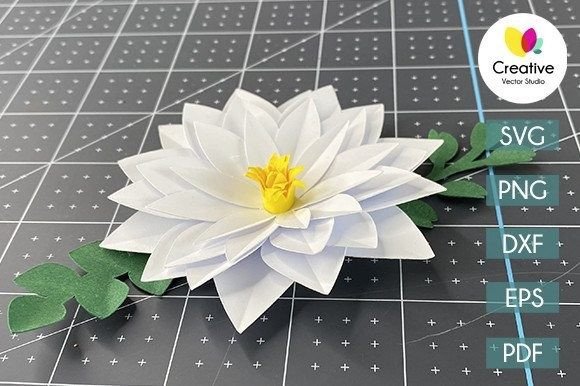
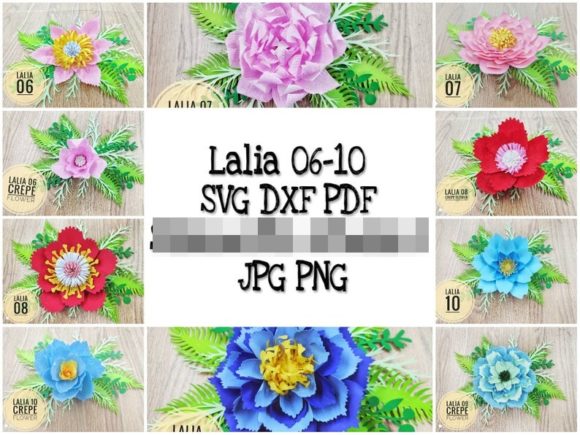
One of the primary advantages of modern paper crafting resources is the diversity of file formats provided. A robust set of Marigolds Paper Flower Templates typically includes a zip download containing SVG, PDF, DXF, and PNG files. Each format serves a distinct purpose in the workflow of a creator, ensuring compatibility with various tools and skill levels.
- SVG (Scalable Vector Graphics): Ideal for users with electronic cutting machines such as Cricut or Silhouette. These files allow for infinite scaling without loss of quality, ensuring that every curve of the marigold petal remains crisp whether the flower is scaled down for a card or up for a large wall installation.
- PDF Printables: These are essential for hand-cutting enthusiasts. The PDF format ensures that the template prints at the correct scale on standard letter or A4 paper, allowing crafters to trace shapes onto cardstock directly with scissors or craft knives.
- DXF Files: Often used by industrial cutting plotters or older software versions, DXF files provide another layer of compatibility for professional sign-makers or those with specialized equipment.
- PNG Images: While not cuttable, high-resolution PNGs serve as excellent visual references for coloring, painting, or digital design projects where the physical cut is not required.
This multi-format approach democratizes the crafting process. It removes the barrier of entry for those who may not own expensive machinery while simultaneously offering the precision required by high-volume producers. The inclusion of both machine-ready and hand-cut options means that the same design can be utilized across different contexts within a single project, such as using machine-cut layers for the base and hand-torn edges for a more organic texture.
Structural Integrity and Scale Considerations
When working with botanical replicas, scale and proportion are critical to achieving a realistic appearance. Most standard Marigolds Paper Flower Templates are designed to produce a flower approximately 3.5 to 4 inches in diameter. This size is particularly versatile; it is large enough to make a statement as a boutonniere, cake topper, or gift embellishment, yet small enough to be grouped together for larger installations without consuming excessive material.
However, the true power of vector-based templates lies in their alterability. Unlike static stencils, digital templates allow the user to resize the components before cutting. If a project requires a massive backdrop featuring oversized marigolds, the SVG files can be scaled up significantly. Conversely, for intricate jewelry or scrapbooking elements, they can be reduced. It is important to note, however, that scaling affects the stiffness of the paper relative to the size of the petal. When enlarging beyond the standard 4-inch recommendation, creators should consider using heavier cardstock or adding internal wire supports to maintain the flower's shape against gravity.
The inclusion of a marigold leaf template within the download package further enhances the realism of the final product. In nature, flowers rarely exist in isolation; the interplay between the bloom and the foliage provides context and depth. Having a matching leaf pattern ensures that the veins, curvature, and color palette of the greenery complement the orange, yellow, or red tones of the marigold petals, resulting in a cohesive botanical arrangement.
Workflow Optimization: From File to Finished Bloom
Creating paper flowers is a process that combines technical precision with artistic flair. A well-structured template kit often includes more than just the cut files; it provides a roadmap for assembly. Many comprehensive listings feature a full video tutorial and a detailed supply list, which are invaluable for both novices and experienced crafters looking to refine their technique.
The workflow generally begins with material selection. Creators typically choose between textured cardstock, crepe paper, or specialty handmade papers. The choice of material dictates the final texture; crepe paper allows for aggressive stretching and cupping to mimic the delicate ruffles of a real marigold, while cardstock offers a stiffer, more graphic look suitable for modern decor.
Once the materials are cut using the provided templates, the assembly phase begins. This is where the how to stem a paper flower guidance becomes crucial. Proper stemming involves wrapping floral tape around a wire core, securing the layers of petals, and attaching the calyx and leaves at the correct intervals. Without proper instruction, a paper flower can look flat or disjointed. Video tutorials demonstrate the nuanced hand movements required to curl petal edges, layer them in a spiral formation, and secure the center tightly to prevent unraveling over time.
For educators and workshop leaders, these resources streamline the teaching process. Instead of spending valuable class time drawing patterns, instructors can focus on technique, color theory, and assembly methods. The consistency of the templates ensures that every student starts with a uniform base, allowing for a fair comparison of skills and a more cohesive group project outcome.
Applications Across Industries and Hobbies
The utility of Marigolds Paper Flower Templates extends far beyond the home craft room. Various industries have adopted paper floristry as a cost-effective and durable alternative to fresh flowers.
Event Planning and Wedding Decor
Weddings and corporate events often require elaborate floral installations that must withstand hours of exposure to heat, lights, and handling. Fresh marigolds, while beautiful, wilt quickly. Paper versions created from precise templates offer a permanent solution. They can be crafted weeks in advance, stored safely, and assembled on-site without the risk of degradation. Furthermore, they can be customized to match exact brand colors or wedding themes that may not exist in nature.
Retail and Visual Merchandising
Storefronts and window displays benefit from the longevity of paper flowers. A display featuring a cluster of vibrant marigolds can remain in place for months, maintaining its visual appeal without water changes or petal drop. The ability to scale the templates allows visual merchandisers to create immersive environments, from giant floating blooms to delicate border accents.
Therapeutic and Educational Settings
In occupational therapy and educational settings, the process of assembling paper flowers serves as an excellent exercise for fine motor skills. Tracing, cutting, curling, and gluing require dexterity and hand-eye coordination. For researchers studying the cognitive benefits of crafting, the structured nature of following a template provides a controlled variable to measure progress and engagement.
Maximizing Realism Through Technique
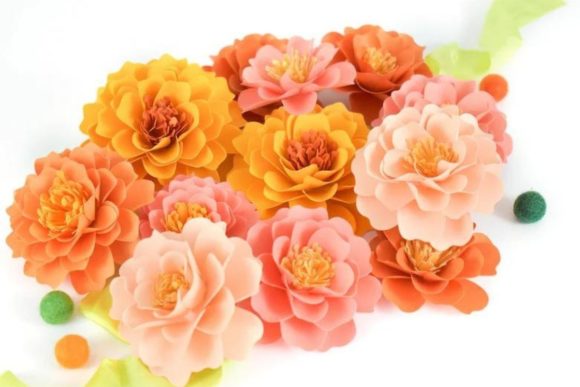
While the template provides the shape, the creator provides the life. To truly capture the beauty of marigold flowers, one must go beyond simply gluing layers together. Observations of real marigolds reveal that their petals are densely packed and often exhibit a gradient of color. Crafters can enhance the templates by ink-distressing the edges of the cut paper before assembly, adding depth and shadow that mimic natural lighting.
The center of the marigold is another focal point. Real marigolds have a distinctive, button-like center. Advanced techniques involve using fringed paper or specialized molding tools to replicate this texture. The included video tutorials in comprehensive template packs often cover these advanced finishing touches, guiding users on how to manipulate the paper to achieve a soft, organic feel rather than a rigid, geometric one.
Additionally, the arrangement of the flowers matters. A single 4-inch marigold is lovely, but they are often most impactful when grouped. Understanding the growth habits of real marigolds—how they cluster and how their leaves orient themselves—helps in arranging the paper versions. Using the included leaf template effectively means attaching foliage at varying heights and angles to break up the symmetry and create a natural silhouette.
Economic and Environmental Considerations
From a business perspective, utilizing digital templates reduces overhead. There is no need to purchase physical stencils that wear out or take up storage space. A single zip download can be used repeatedly, allowing for the mass production of inventory for online shops or craft fairs. The marginal cost of producing each additional flower is limited to the price of paper and glue, making it a high-margin product for small businesses.
Environmentally, paper flowers offer a sustainable alternative to imported fresh flowers, which often carry a significant carbon footprint due to refrigeration and air freight. While paper is a consumable, it is generally biodegradable and can be sourced from recycled materials. By creating long-lasting decor, consumers reduce the frequency of purchasing disposable fresh arrangements that end up in landfills within days.
Conclusion on Creative Potential
The availability of high-quality Marigolds Paper Flower Templates represents a significant advancement in the world of paper crafts. By providing accurate, scalable, and multi-format files, these resources empower creators to produce work that rivals the complexity of nature. Whether utilized for a solitary relaxing evening of crafting, a classroom lesson on botany and art, or a large-scale commercial installation, the foundational value of a good template cannot be overstated.
The combination of precise digital files, instructional video content, and comprehensive supply lists ensures that success is accessible to everyone. As the boundary between digital design and tactile art continues to blur, tools like these serve as the essential bridge, allowing imagination to take physical form in the vibrant, enduring guise of the marigold. The result is not just a paper flower, but a lasting piece of art that captures the warmth and energy of the sun-loving bloom it emulates.