Strategic Value and Creative Application of Panda Paper Sculpture
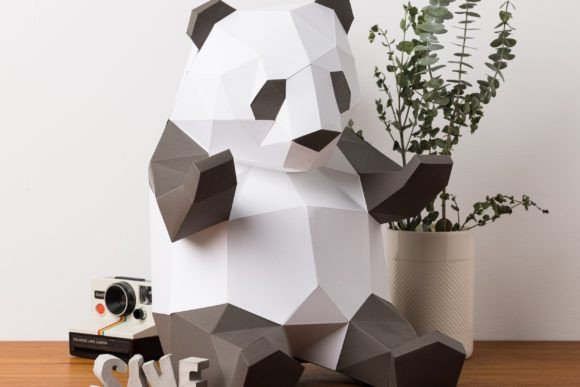
In an era dominated by digital saturation, the tangible impact of physical objects has never been more valuable. The Panda Paper Sculpture, a quality template created by Sofs Design, represents more than just a weekend hobby; it is a strategic tool for enhancing spatial aesthetics, fostering creative engagement, and delivering high-impact visual results with minimal resource investment. For entrepreneurs, educators, and design-conscious professionals, understanding how to leverage this minimalist papercraft can yield significant returns in branding, customer experience, and personal well-being.
The appeal of this specific sculpture lies in its versatility and accessibility. By composing this cute papercraft and arranging it around your house, in your garden, or in the kids’ room, you introduce a element of whimsy and modern design that disrupts mundane environments. Playing with papercrafts is something unique and different, offering a tactile break from screen-based workflows. The supplies and skills required are readily available and cheap, yet the results make for a big impact. This disparity between input cost and output value is precisely why strategic creators should consider integrating such elements into their broader design or engagement strategies.
Aligning Papercraft with Strategic Goals
Before diving into the assembly process, it is crucial to define the objective. Why are you creating a Panda Paper Sculpture? The answer dictates the approach, scale, and placement. For a small business owner, these sculptures can serve as low-cost, high-engagement props for product photography or social media content. For an educator, they offer a hands-on lesson in geometry, patience, and fine motor skills. For a homeowner, they provide a customizable decor element that reflects personal taste without the commitment of permanent installation.
Thoughtful use of this template supports goals related to branding and communication. A consistent visual theme, such as the minimalist and modern aesthetic of the panda sculpture, can reinforce brand identity. When used in a retail or office setting, these decorations signal attention to detail and creativity. They act as conversation starters, facilitating informal networking and improving the overall atmosphere. However, relying on such decorations without clear context can dilute their effect. Random placement lacks intentionality; strategic placement amplifies message and mood.
Decision-Making in Design and Placement
Effective deployment of the Panda Paper Sculpture requires careful planning. Consider the environment where the sculpture will reside. In a professional setting, neutrality and elegance are key. The minimalist design of this template aligns well with modern office aesthetics, providing a touch of warmth without appearing childish. In contrast, placing the same sculpture in a kids’ room or a playful garden setting allows for more vibrant color choices and dynamic arrangements.
You can tweak the size by making sure you resize each page or SVG file equally. This scalability is a critical feature for strategic application. A larger sculpture commands attention and can serve as a focal point in a lobby or event space. Smaller versions can be used as table centerpieces, gift toppers, or part of a larger installation. The ability to adjust dimensions ensures that the craft fits the specific spatial constraints and visual hierarchy of your project.
Risks arise when the scale is mismatched with the environment. A tiny sculpture lost in a vast hall fails to make an impact, while an oversized piece in a cramped room can feel overwhelming. Therefore, measuring the intended space and visualizing the final proportion is a necessary step in the planning phase. This decision-making process mirrors broader operational strategies: right-sizing resources to meet objectives efficiently.
Operational Efficiency and Resource Management
One of the strongest arguments for adopting the Panda Paper Sculpture is its operational efficiency. The product contains instructions and templates for you to make this minimalist and modern decoration as many times as you want. PDF and SVG files are included as well for instructions, ensuring that the barrier to entry is low. For organizations looking to run workshops or team-building activities, this repeatability is essential. It allows for standardized outcomes while still permitting individual creativity.
The material requirements are straightforward and cost-effective. Here are the things you will need:
- Paper: Anywhere from 65 lb to card stock 80 lb should do the trick. Heavier paper provides structural integrity, crucial for maintaining the sculpture’s shape over time.
- Cutting Tools: Craft knife and cutting mat or scissors. Precision is key for clean edges, which significantly affect the final aesthetic.
- Scoring Tools: Ruler and something not too sharp to mark your lines scoring. Proper scoring ensures crisp folds, giving the panda its defined, geometric character.
- Adhesives: Glue – I use a glue stick or double-sided tape, you can also use white glue. The choice of adhesive depends on the desired finish and drying time.
If you use a cutting machine, you will not need these manual tools, which speeds up production significantly. Refer to our instruction pages for important information. For those scaling up production, investing in a cutting machine transforms this from a casual craft into a semi-industrial process, suitable for creating multiple units for events or retail.
All cardstock featured is Encore Cardstock 80 lb cover 216 gsm. This specific weight offers an optimal balance between flexibility for folding and rigidity for standing. Using subpar materials can lead to sagging or poor definition, undermining the professional look of the final product. Therefore, sourcing high-quality materials is a non-negotiable aspect of achieving premium results. Click here to visit 12×12 Cardstock Shop. This is a paid link at no extra cost to you. Investing in reliable supplies reduces waste and rework, contributing to long-term cost efficiency.
Enhancing Creativity and Customer Experience
Beyond the physical object, the process of creating the Panda Paper Sculpture offers intrinsic value. Engaging in hands-on creation stimulates different cognitive pathways than digital work. For professionals experiencing burnout or creative blocks, the rhythmic, focused nature of cutting, scoring, and gluing can be meditative and restorative. This mental reset can lead to improved productivity and fresh perspectives upon returning to primary tasks.
From a customer experience perspective, offering DIY kits or hosting assembly workshops can deepen client engagement. It transforms passive consumers into active participants, creating a memorable association with your brand. The sense of accomplishment derived from completing the sculpture fosters positive emotional connections. This strategy is particularly effective for brands aiming to highlight values of sustainability, craftsmanship, and mindfulness.
However, it is vital to manage expectations. Not everyone possesses the same level of dexterity or patience. Providing clear, step-by-step instructions and perhaps video tutorials can mitigate frustration. Ensuring that the experience is enjoyable rather than tedious is key to achieving the desired positive outcome. Feedback loops should be established to refine the process, addressing common pain points such as difficult folds or ambiguous instructions.
Long-Term Value and Sustainability
Incorporating papercrafts like the Panda Paper Sculpture into your strategic toolkit supports long-term sustainability goals. Paper is biodegradable and recyclable, unlike many plastic decor items. By choosing paper-based solutions, you align with growing consumer demand for eco-friendly practices. Furthermore, the ability to reuse templates indefinitely reduces the need for purchasing new molds or manufacturing setups, lowering the carbon footprint associated with production.
The longevity of the sculpture itself depends on environmental factors. Indoor placement protects the paper from humidity and UV damage, preserving its appearance for years. Outdoor use, such as in a garden, requires protective coatings or sheltered placement to prevent weathering. Understanding these limitations allows for better planning and maintenance schedules, ensuring that the investment continues to deliver value over time.
Ultimately, the Panda Paper Sculpture is a versatile asset. Whether used for interior design, educational purposes, brand activation, or personal enrichment, its value is determined by the intentionality behind its use. By approaching this craft with a strategic mindset—considering goals, resources, placement, and audience—you transform a simple paper template into a powerful tool for communication and connection. The simplicity of the medium belies the complexity of its potential applications, making it a worthy consideration for any forward-thinking creator or business leader.
As you plan your next project, consider how this minimalist decoration can serve your broader objectives. Evaluate the context, select the appropriate materials, and execute with precision. The result will be not just a charming panda figure, but a testament to the power of thoughtful, strategic creativity.