Crafting Dimensional Elegance with the Tulip Basket Paper Sculpture SVG
The intersection of digital precision and tactile artistry has revolutionized modern paper crafting, allowing hobbyists and professional designers alike to create complex three-dimensional structures from flat sheets of cardstock. Among the most captivating projects in this realm is the Tulip Basket Paper Sculpture SVG, a design that captures the ephemeral beauty of spring blooms in a permanent, structural format. This project is not merely a cut-and-paste activity; it is an exercise in architectural thinking, color theory, and patience. By transforming two-dimensional vectors into a layered, volumetric centerpiece, crafters can produce museum-quality decor that rivals expensive retail alternatives.
The appeal of this specific design lies in its intricate layering. Unlike simple flat decals or basic die-cuts, this sculpture utilizes depth to mimic the natural curvature of tulip petals. The result is a piece that changes appearance depending on the viewing angle and lighting conditions, offering a dynamic visual experience. Whether intended as a heartfelt Mother’s Day gift, a seasonal home accent, or a demonstration of advanced crafting skills, the tulip basket serves as a testament to the versatility of modern cutting machines and the enduring charm of paper art.
The Architecture of Layered Paper Design
Understanding the construction of the Tulip Basket Paper Sculpture SVG requires an appreciation for how digital files translate into physical objects. The design is engineered specifically for 12x12 inch cutting machines, ensuring that each component fits within standard material dimensions while maximizing detail. The file structure typically separates elements into distinct layers, each serving a specific structural or aesthetic purpose. The base layer often provides the foundation, while subsequent layers build upward, creating the illusion of volume.
The complexity of the design is managed through a systematic approach to assembly. Each petal, leaf, and basket weave element is precisely calculated to interlock or adhere in a way that supports the overall structure. This methodical layering is what distinguishes high-quality SVG designs from amateur attempts. The inclusion of a PDF legend alongside the SVG file is a critical component of this process. It acts as a map, guiding the crafter through the identification of pieces and the selection of appropriate paper colors. Without such guidance, the sheer number of components could become overwhelming, but with it, the project becomes a manageable and enjoyable workflow.
For educators and researchers interested in spatial reasoning, this project offers a practical application of geometric principles. The transformation of flat shapes into curved forms through strategic cutting and folding demonstrates fundamental concepts of engineering and design. It provides a tangible example of how two-dimensional plans can result in three-dimensional outcomes, making it an excellent tool for STEM-related creative workshops.
Material Selection and Aesthetic Considerations
The final appearance of the tulip basket is heavily dependent on the materials chosen. While the digital file provides the shape, the paper provides the soul of the piece. The recommended supply list suggests using Encore Cardstock 80 lb cover (216 gsm), a weight that strikes an ideal balance between flexibility and rigidity. Lighter papers may fail to hold the structural integrity of the layered petals, while heavier boards might be difficult to fold or curve without cracking.
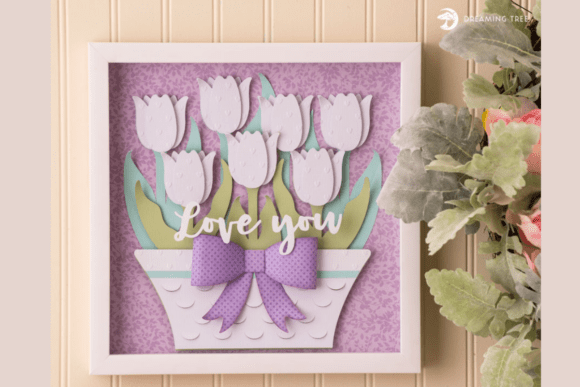
Color palette selection plays a pivotal role in the visual impact of the sculpture. The standard recommendation includes white cardstock for the primary structure, allowing the shadows and layers to define the form. However, incorporating fountain cardstock, mint, and purple patterned papers introduces contrast and depth. The use of purple dotted pattern paper, for instance, can add a subtle texture that mimics the natural variegation found in flower petals. This attention to detail elevates the project from a simple craft to a sophisticated art piece.
Crafters should consider the environment where the sculpture will be displayed. For a shadow box presentation, high-contrast colors may be preferred to ensure the details are visible from a distance. For standalone display, softer pastels might blend more harmoniously with existing home decor. The versatility of the Tulip Basket Paper Sculpture SVG allows for endless customization. By swapping out the suggested purple and mint tones for vibrant reds and greens, one can create a classic rose-like appearance, or use monochromatic whites for a minimalist, sculptural look.
Technical Workflow and Assembly Precision
Successful execution of this project relies on a disciplined workflow. The process begins with preparing the digital file for the cutting machine. Since the design is compatible with all SVG-ready software, users can adjust settings based on their specific machine capabilities. It is crucial to note that while the design is optimized for 12x12 machines, resizing is possible. However, significant scaling may affect the ease of assembly, as smaller pieces become more difficult to handle and adhere properly.
The cutting phase requires precision. Using sharp blades and appropriate pressure settings ensures clean edges, which are essential for seamless assembly. Once cut, the organization of pieces becomes paramount. The included PDF legend should be used to sort components by layer and color. This preparatory step saves considerable time during the assembly phase, preventing confusion and reducing the likelihood of errors.
Assembly involves the use of foam adhesive squares and ink glue. Foam adhesives are particularly important for creating the necessary depth between layers. They lift certain elements off the base, casting shadows that enhance the three-dimensional effect. Ink glue is used for finer details where bulk is not desired. The step-by-step video tutorial provided with the design is an invaluable resource during this stage. It demonstrates techniques for curling petals, aligning layers, and securing delicate components without damaging the paper.
Patience is the most critical tool in this workflow. Rushing the drying process or forcing pieces into place can result in misalignment or warping. Taking breaks between layers allows adhesives to set and gives the crafter time to assess the progress. This mindful approach not only improves the quality of the final product but also enhances the therapeutic value of the crafting experience.
Applications in Home Decor and Gifting
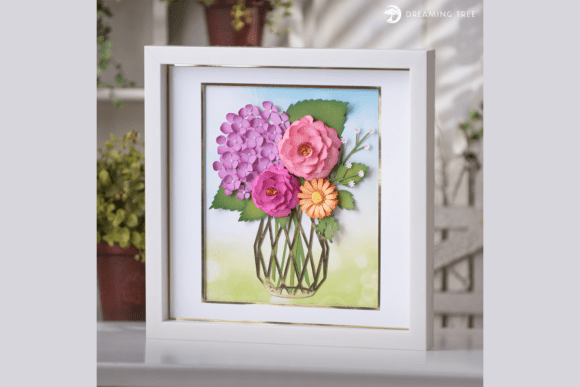
The versatility of the finished tulip basket makes it suitable for a wide range of applications. In home decor, it serves as a striking centerpiece for dining tables, mantels, or entryway consoles. When housed in a 12x12 shadow box, it becomes a protected piece of wall art, shielded from dust and damage while remaining visible. This format is particularly appealing for those who desire the beauty of fresh flowers without the maintenance or short lifespan.
As a gift, the Tulip Basket Paper Sculpture SVG project offers a personal touch that store-bought items often lack. For Mother’s Day, birthdays, or housewarmings, a handcrafted piece conveys thoughtfulness and effort. The ability to customize colors allows the giver to tailor the gift to the recipient’s preferences, adding a layer of personalization that enhances its emotional value.
For small business owners and Etsy sellers, this design represents a viable product opportunity. The scalability of SVG files allows for efficient production, while the high perceived value of intricate paper art supports premium pricing. However, creators must ensure they have the appropriate commercial license for the SVG file before selling finished products. Understanding the market demand for unique, handcrafted decor can help artisans position their work effectively.
Enhancing Skills Through Complex Projects
Engaging with complex designs like the tulip basket contributes to skill development in several areas. Crafters improve their fine motor skills through the handling of small, delicate pieces. They develop a deeper understanding of color theory and composition as they experiment with different paper combinations. Additionally, they gain proficiency in using digital cutting machines and software, skills that are increasingly valuable in the modern maker community.
The project also encourages problem-solving. Each assembly step may present minor challenges, such as aligning symmetrical elements or managing adhesive overflow. Overcoming these obstacles builds confidence and resilience, traits that are transferable to other creative and professional endeavors. For educators, incorporating such projects into curriculum can foster creativity, patience, and technical literacy among students.
Ultimately, the Tulip Basket Paper Sculpture SVG is more than a set of digital files; it is a gateway to artistic expression. It invites creators to explore the boundaries of paper as a medium, challenging them to transform simple sheets into intricate sculptures. By combining technical precision with creative vision, crafters can produce works of art that celebrate the beauty of nature and the joy of making. Whether for personal enjoyment, educational purposes, or commercial venture, this project offers a rewarding journey into the world of dimensional paper crafting.